
Seeing blood in the sink after brushing or flossing can be alarming, but bleeding gums are relatively common. While occasional bleeding may not be a cause for concern, gums that regularly bleed can be a sign that something is affecting your oral health.

The good news is that many causes of bleeding gums can be addressed with proper dental care and improved oral hygiene.
What Causes Gums to Bleed?
There are several reasons your gums may bleed when you brush or floss.
1. Gingivitis
One of the most common causes of bleeding gums is gingivitis, the earliest stage of gum disease. Gingivitis occurs when plaque, a sticky film of bacteria, builds up along the gumline.
If plaque is not removed regularly, it can irritate the gums, causing them to become red, swollen, tender, and more likely to bleed. Fortunately, gingivitis can often be reversed with consistent brushing, flossing, professional dental cleanings, and improved oral hygiene.
2. Brushing or Flossing Too Aggressively
More pressure does not necessarily mean cleaner teeth. Brushing too hard or using a toothbrush with firm bristles can irritate the gums and cause bleeding. The same can happen if you force floss between your teeth or snap it against your gums.

Try using a soft-bristled toothbrush and gentle, controlled movements when brushing and flossing. If you are unsure about your technique, your dental team can show you how to clean your teeth and gums effectively without causing unnecessary irritation.
3. You Just Started Flossing
If you recently started flossing regularly, you may notice some bleeding at first. This can happen when your gums are inflamed from plaque buildup.
Rather than stopping flossing altogether, continue to clean between your teeth gently and consistently. As your gums become healthier, the bleeding should generally improve. However, persistent bleeding should not simply be ignored.
4. Plaque and Tartar Buildup
Even with regular brushing, plaque can accumulate in areas that are difficult to reach. If plaque remains on the teeth, it can harden into tartar, which cannot be removed with a regular toothbrush. Tartar buildup can irritate the gums and contribute to inflammation and gum disease. A professional dental cleaning can remove buildup that cannot be removed through brushing and flossing alone.
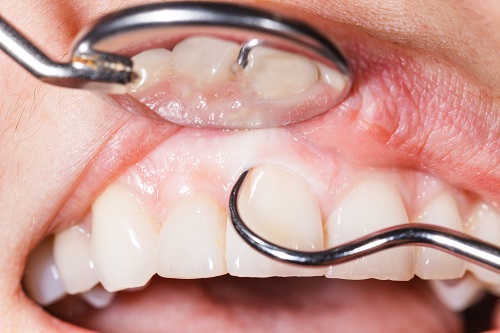
5. Gum Disease
Bleeding gums can sometimes be a sign of more advanced gum disease, particularly if bleeding is accompanied by other symptoms such as:
- Red or swollen gums
- Persistent bad breath
- Tender gums
- Receding gums
- Loose or shifting teeth
- Changes in the way your teeth fit together when you bite
Gum disease can progress without causing significant pain, which is one reason regular dental checkups are important.
6. Other Factors
Certain medications, hormonal changes, nutritional deficiencies, and other health conditions can also affect your gums and make them more prone to bleeding.
If your gums bleed frequently and you have not been able to identify a cause, it is worth discussing the issue with your dentist.
Should You Stop Flossing If Your Gums Bleed?
Usually, no. If your gums are bleeding because of plaque-related inflammation, stopping flossing may allow more plaque to accumulate and make the problem worse. Instead, continue flossing gently and consistently. However, if your gums continue to bleed despite good brushing and flossing habits, schedule a dental appointment so your dentist can determine what is causing the bleeding.
How Can You Prevent Bleeding Gums?
Good daily oral hygiene is one of the best ways to keep your gums healthy.
A healthy routine includes:
- Brushing twice a day with a soft-bristled toothbrush
- Cleaning between your teeth every day with floss or another recommended interdental cleaner
- Visiting your dentist regularly for examinations and professional cleanings
- Replacing your toothbrush or toothbrush head when the bristles become worn
- Limiting sugary foods and drinks
- Avoiding tobacco products
Your dentist can also recommend the right oral hygiene products and techniques based on your individual needs.
When Should You See a Dentist?

If your gums bleed occasionally after brushing or flossing, improving your technique and maintaining consistent oral hygiene may help. But regular or unexplained bleeding should not be considered normal. If your gums frequently bleed, are swollen or painful, or you have noticed other changes in your oral health, make an appointment with your dentist. Early evaluation can help identify gum inflammation before it develops into a more serious problem.
Keep Your Gums Healthy
Healthy gums are an important part of a healthy smile. If you are experiencing bleeding gums, don’t assume that it is something you simply have to live with. Your dentist can evaluate your gums, identify the underlying cause, and recommend the appropriate treatment. If it has been a while since your last dental checkup or cleaning, scheduling an appointment is a good place to start.